African American roots music is a rich and diverse genre that encompasses a variety of styles and traditions, deeply rooted in the historical and cultural experiences of African Americans. This music reflects the struggles, joys, and resilience of a community that has faced systemic oppression and blues and jazz heritage discrimination throughout history. The origins of African American roots music can be traced back to the early African slave experience in America, where enslaved Africans brought their musical traditions, rhythms, and instruments, which would evolve into distinct forms over time.
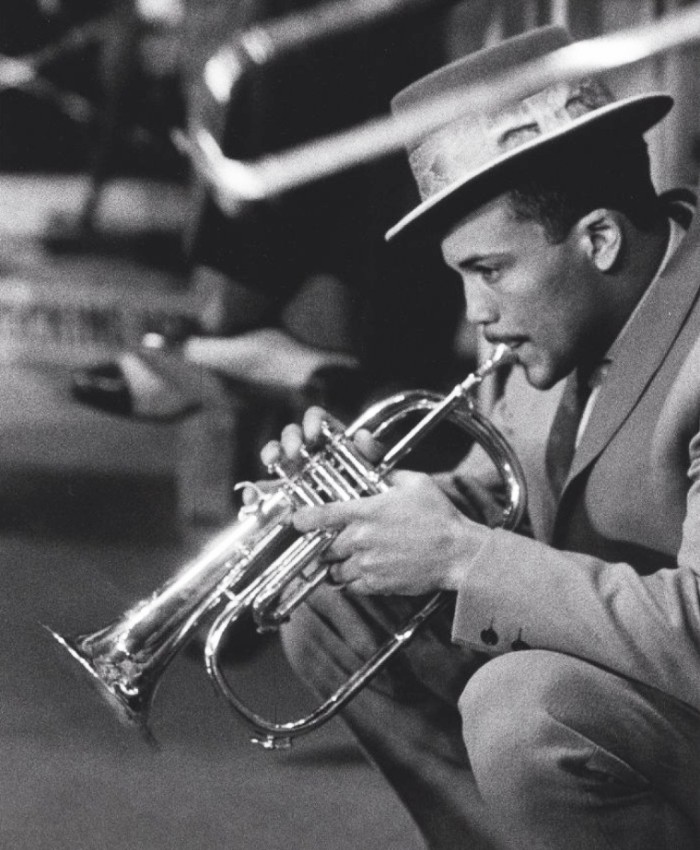
One of the most significant genres within African American roots music is the blues. Emerging in the late 19th and early 20th centuries, the blues originated in the Deep South, combining African musical elements with European folk traditions. Characterized by its expressive lyrics and melancholic melodies, the blues often addresses themes of heartache, hardship, and the quest for freedom. Notable blues musicians such as B.B. King, Muddy Waters, and Howlin’ Wolf have left an indelible mark on the genre, influencing countless artists across various musical landscapes.
Another vital aspect of African American roots music is gospel music, which has its roots in the spirituals sung by enslaved Africans. These spirituals served as a means of expressing faith, hope, and resistance, often incorporating call-and-response patterns and improvisation. Gospel music has played a crucial role in the African American church and has influenced other genres, including soul and R&B. Artists like Mahalia Jackson and Aretha Franklin have elevated gospel music to new heights, showcasing its emotional depth and cultural significance.
Folk traditions, such as work songs and field hollers, also form an essential part of African American roots music. Work songs were sung by laborers to coordinate their efforts and alleviate the monotony of tasks, while field hollers were spontaneous vocal expressions that conveyed feelings of longing and sorrow. These forms of music highlight the communal aspect of African American musical traditions, emphasizing the importance of storytelling and shared experiences.
The development of jazz in the early 20th century marked another significant evolution in African American roots music. Originating in New Orleans, jazz combined elements of blues, ragtime, and African rhythms, leading to a genre characterized by improvisation and complex harmonies. Jazz musicians such as Louis Armstrong, Duke Ellington, and Miles Davis have played pivotal roles in shaping the genre and expanding its influence globally.
Moreover, the influence of African American roots music extends beyond its own genres. The rhythms, melodies, and themes found in blues, gospel, and jazz have permeated popular music, inspiring rock and roll, hip-hop, and contemporary R&B. The legacy of African American roots music is evident in the works of artists from various backgrounds, showcasing its universal appeal and significance.
In conclusion, African American roots music is a profound and multifaceted genre that reflects the historical and cultural experiences of African Americans. Through its various forms, including blues, gospel, folk traditions, and jazz, this music serves as a testament to the resilience and creativity of a community that has shaped the musical landscape of the United States and beyond. Understanding and appreciating African American roots music is essential for recognizing the cultural contributions of African Americans and the ongoing impact of their musical legacy.